The Ultimate Guide to Digital Pressure Gauges in the UK
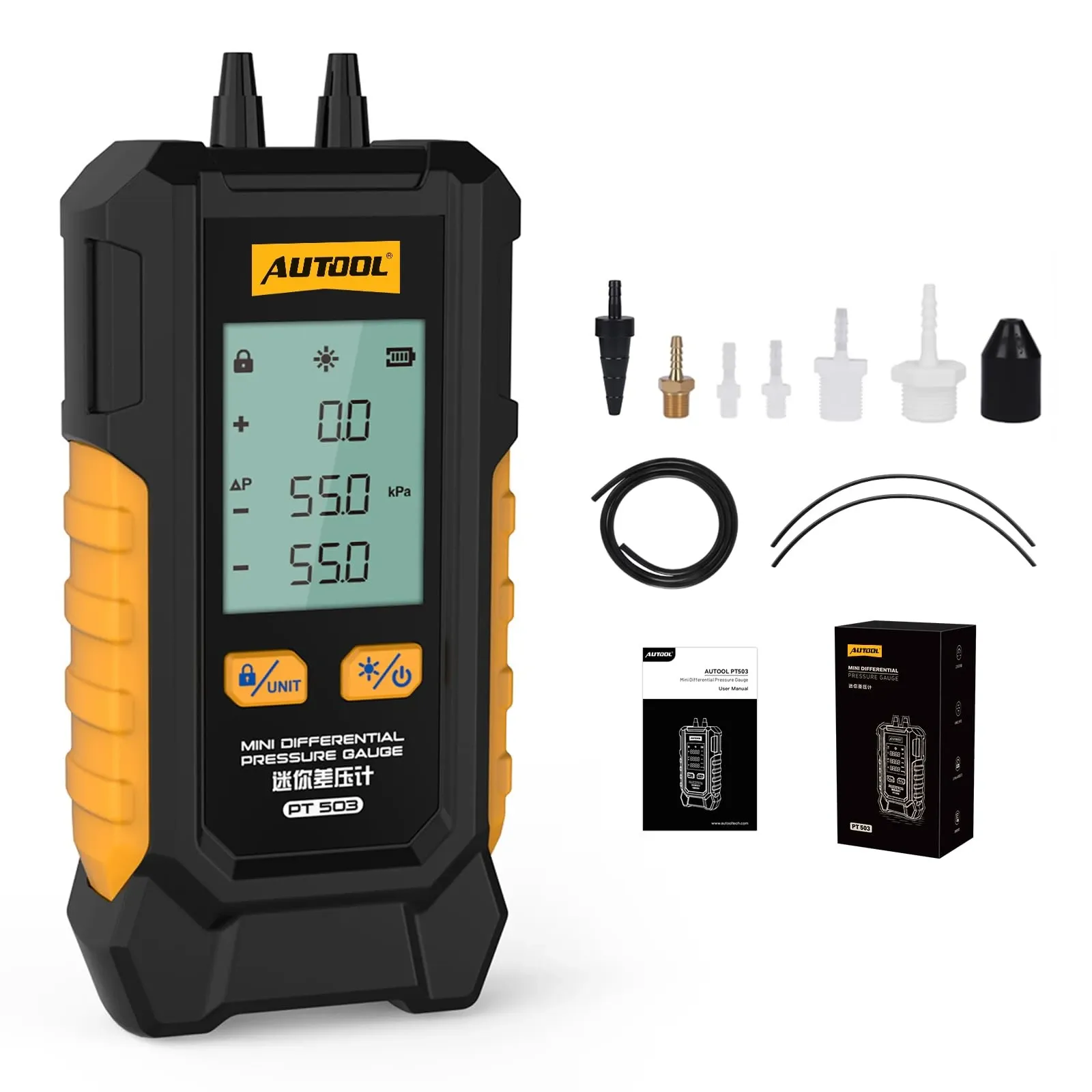
Digital pressure gauges are electronic instruments that measure pressure and show the reading on a digital display, helping engineers, heating specialists, plumbers and maintenance teams achieve faster, clearer and often more precise readings than many analogue alternatives. In the UK, they are widely used for gas testing, HVAC commissioning, water systems, compressed air, hydraulics and industrial process checks.
TL;DR: If you need quick, accurate and easy-to-read pressure measurements, digital pressure gauges are often the best choice. They use an internal sensor rather than a purely mechanical movement, can offer features such as min/max recording and unit conversion, and are especially useful where repeatable readings matter. For UK users, the right model depends on pressure range, media compatibility, accuracy class, environmental conditions and whether your work must align with HSE guidance, Gas Safe practice or relevant BS EN standards.
What is a digital pressure gauge?
A digital pressure gauge is a measuring device that converts physical presnto an electronic signal and then displays that value on a screen. Unlike a traditional analogue gauge that relies on a mechanical movement and pointer, a digital model uses a sensor to detect pressure changes and present them numerically.
As a result, digital pressure gauges are often chosen when operators need readings that are easy to interpret at a glance. This is particularly helpful in low-pressure testing, service diagnostics and commissioning work where small changes in system performance matter.
At Manompress, we see strong demand for digital instruments in applications where readability, portability and repeatability are priorities. Based on our testing across routine service conditions, one of the biggest practical advantages is reduced reading error compared with trying to estimate needle position on a crowded dial.
How do digital pressure gauges work?
Digital pressure gauges work by using an internal sensor to detect force exerted by a gas or liquid. The instrument electronics then convert this into a numerical value shown on the display. Depending on the design, that sensor may be piezoresistive, strain-based or another electronic sensing element suitable for the intended range and media.
In simple terms, the process usually follows four steps:
- The process media enters the gauge connection.
- The internal sensor detects the applied pressure.
- The electronic circuit converts that signal into a calibrated value.
- The display shows the reading in bar, mbar, psi or another selected unit.
Additionally, many modern units include useful functions such as backlit screens, min/max capture, zeroing and multi-unit display. Therefore they can support both field engineers and workshop technicians who need efficient checks without manual conversion tables.
What makes them different from analogue gauges?
The key difference is measurement presentation. Analogue gauges use a pointer over a scale; digital pressure gauges display an exact figure. Consequently, they can be easier to read in poor lighting or when precise low-pressure measurements are needed.
If you would like to compare electronic instruments with mechanical designs in more detail, see Manompress guidance on related gauge types such as Bourdon tube models and differential measurement products.
Do digital pressure gauges always use batteries?
Many portable models are battery powered because they are designed for field use. However, panel-mounted or fixed industrial instruments may use external power supplies. In either case, battery condition or supply stability should be checked as part of routine maintenance to avoid unreliable readings.
Are digital pressure gauges more accurate than analogue gauges?
In many applications, yes: digital pressure gauges can offer better readability and finer resolution than analogue alternatives. However, actual accuracy depends on the individual instrument specification, calibration status and suitability for the job.
For example, an appropriately specified analogue gauge may still perform very well in robust industrial environments. Equally, a poorly selected digital model can produce unhelpful results if its range is too wide or its wetted materials are incompatible with the media being measured.
Based on our testing of common service scenarios, users often report two practical benefits from digital models:
- clearer low-pressure readings with less operator interpretation;
- faster troubleshooting because fluctuations can be identified more easily.
Why does readability matter so much?
Readability affects decision-making. If an engineer cannot quickly tell whether a system is at 19 mbar or 21 mbar because of parallax or scale crowding on an analogue dial, diagnosis becomes slower. By contrast, a digital display presents one immediate value. Therefore it can reduce hesitation during commissioning or fault-finding.
Does higher resolution mean better measurement?
Not necessarily. Resolution is simply how finely the value is displayed; accuracy is how close that displayed value is to true system presdeally you want both appropriate resolution and verified calibration. According to good UK measurement practice, calibration traceability should always be considered where records or compliance matter.
What are digital pressure gauges used for?
Digital pressure gauges are used wherever reliable spot-checking or continuous monitoring of gas or liquid press required. In the UK they are common across building services, utilities maintenance and manufacturing because they help technicians confirm system performance quickly and consistently.
Gas testing and boiler servicing
Digital manometers and related low-presnstruments are widely used for inlet gas pressure checks, let-by tests and tightness testing in line with accepted industry procedures. According to UK gas safety practice, suitable test equipment should be properly maintained and appropriate for the task being carried out.
HVAC commissioning
Heating and ventilation engineers use digital instruments to verify fan performance points, filter condition differentials and general system pressures during installation and servicing. Moreover, easy-to-read displays help when balancing systems in confined plant spaces.
Water systems and plumbing
Plumbers and maintenance teams use them for pump performance checks, leak diagnosis and pressurised water system verification. Because readings can often be taken quickly without estimating dial position manually from awkward angles below sinks or inside cupboards helps improve efficiency on site works effectively here too? Let's rewrite mentally? Need output clean HTML only no commentary.
Ready to upgrade your toolkit with Manompress?
Shop Now — £48.73