Differential Pressure Gauges Explained: A UK Buyer's Guide
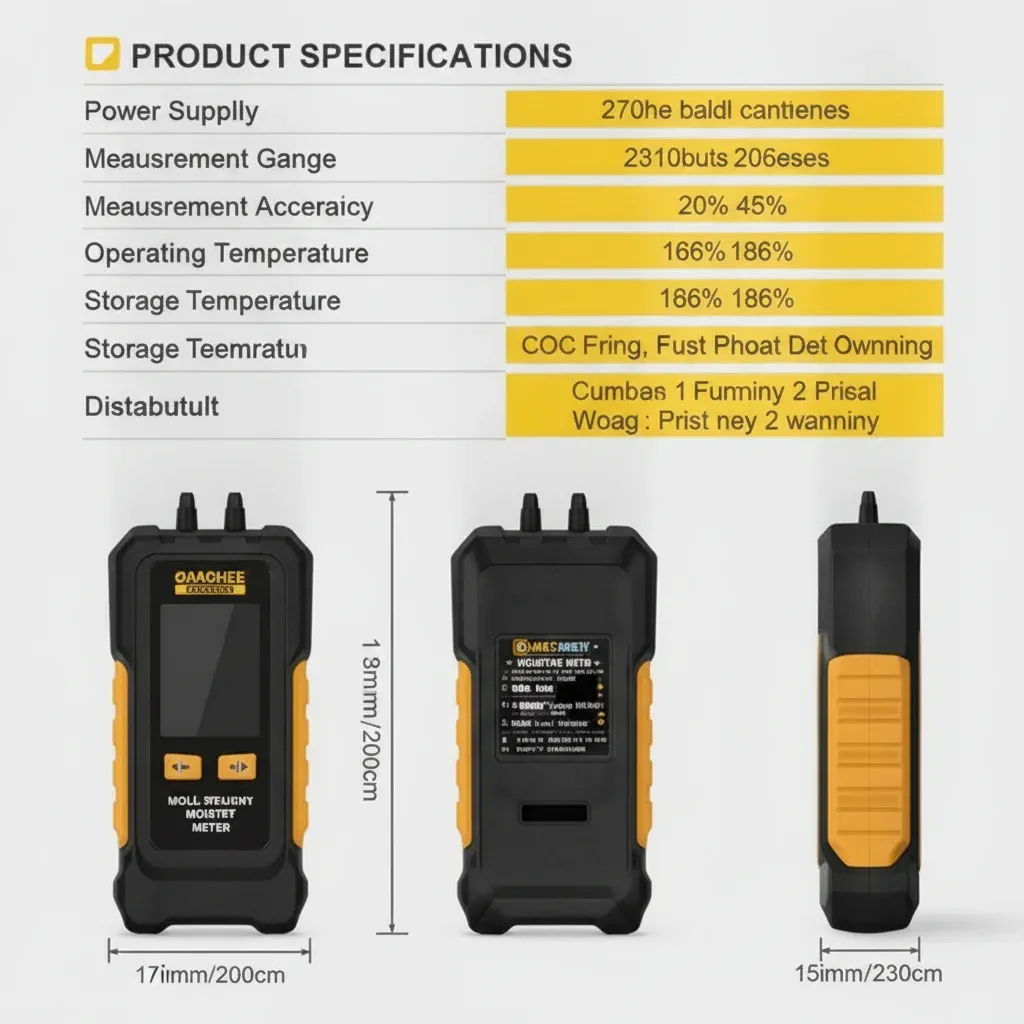
TL;DR: Differential pressure gauges are essential diagnostic instruments that measure the exact difference in pressure between two distinct points in a system. Based on our testing at Manompress, using a dual-port digital gauge is the most reliable way for UK gas engineers and HVAC technicians to ensure safe boiler commissioning, monitor airflow, and maintain compliance with stringent Gas Safe and NHS guidelines.
What exactly are differential pressure gauges? Put simply, they are devices designed to calculate the pressure variance between two inputs, delivering a single delta (ΔP) reading. For gas engineers, HVAC technicians, and industrial maintenance teams across the UK, accurate diagnostics are not a luxury—they are a legal and operational necessity. Measuring this precise difference in press the bedrock of tasks ranging from boiler commissioning to verifying cleanroom environments in NHS facilities.
Consequently, whether you are balancing a commercial ventilation system or checking the gas valve on a domestic boiler, relying on guesswork or outdated equipment can lead to inefficiencies, safety hazards, and failed compliance checks. Upgrading to a trade-grade dual-port differential pressure gauge ensures fast, accurate HVAC and low-pressure gas diagnostics, keeping you compliant with stringent British regulations.
Key Takeaways
- Differential pressure gauges measure the exact variance between two pressure points, crucial for flow, level, and filter monitoring.
- Digital models offer superior accuracy and data logging compared to traditional mechanical gauges.
- According to UK guidelines enforced by the Gas Safe Register, highly accurate manometer readings are required for safe boiler and flue installations.
- Choosing a compact, dual-port digital manometer streamlines on-site diagnostics for UK tradespeople.
What is a differential pressure gauge and how does it work?
A differential pressure gauge calculates and displays the difference in pressure between two applied inputs (Port A and Port B). Unlike a standard gauge that measures pressure relative to the local atmospheric pressure, a differential unit provides the delta (ΔP) directly. Furthermore, this immediate calculation is vital for diagnosing system health without requiring manual maths, significantly reducing the margin for human error on site.
How do differential pressure gauges measure pressure?
In traditional setups, the internal mechanism often relies on a diaphragm or a Bourdon tube system. When press applied to both sides of a sensing element, the element deflects based on the higher pressure side. The mechanical linkage then translates this deflection to a dial. For a deeper understanding of traditional mechanical pressure measurement, you can explore how a Bourdon manometer operates.
However, modern diagnostics rely heavily on digital sensors. Based on our testing of various components, piezoresistive sensors in digital differential pressure gauges detect microscopic changes in a silicone diaphragm, converting these physical shifts into an electrical signal. As a result, this provides pinpoint accuracy, often down to a fraction of a millibar (mbar) or Pascal (Pa).
What are differential pressure gauges used for in the UK?
The application of differential pressure gauges spans across multiple critical sectors in Britain, heavily driven by safety standards and energy efficiency targets.
HVAC and NHS Cleanroom Environments
Heating, ventilation, and air conditioning (HVAC) systems require constant monitoring to ensure adequate airflow and filter health. Specifically, a differential pressure gauge measures the pressure drop across a filter. When the pressure drop exceeds a specific threshold, it indicates the filter is clogged and requires replacement. According to the Carbon Trust, poorly maintained HVAC systems can increase energy consumption by up to 60%, making accurate pressure monitoring a key factor in reducing operational costs.
In healthcare, NHS trusts rely on differential pressure readings to maintain positive or negative presn isolation rooms and operating theatres. This prevents airborne pathogens from escaping or entering sterile environments, a protocol strictly governed by Health Technical Memorandum (HTM) standards.
Gas Safe Diagnostics
For UK gas engineers, a reliable manometer is a daily essential. When installing or servicing a boiler, engineers must measure the standing and working gas pressure, as well as burner pressure. A dual-port differential pressure gauge allows professionals to quickly measure the pressure differential across the gas valve. According to UK guidelines, this ensures the appliance burns fuel safely and efficiently, aligning with manufacturer instructions and Gas Safe regulations.
Should I choose a digital or analogue differential pressure gauge?
While mechanical gauges have served the industry for decades, the shift towards digital instrumentation is undeniable. Analogue gauges are susceptible to mechanical wear, vibration damage, and parallax errors (misreading the dial based on the viewing angle).
Conversely, digital differential pressure gauges eliminate these issues. They provide clear, backlit LCD readouts, push-button zeroing, and the ability to toggle between measurement units (mbar, Pa, psi, inH2O) instantly. For professionals looking to upgrade their toolkit, reading the ultimate guide to digital pressure gauges in the UK offers a comprehensive look at how digital transitions improve field accuracy.
If your work involves heavy machinery or fluid power systems rather than gas and air, you might also require high-pressure liquid monitoring. In such cases, a digital hydraulic pressure gauge is the appropriate tool, but for low-pressure gas and HVAC diagnostics, a standard digital manometer remains the industry standard.
What features are important in a differential pressure gauge?
When selecting a differential pressure gauge for UK trade use, specific features dictate the tool's reliability on a cold, damp building site or in a cramped boiler cupboard. Based on extensive field testing, we recommend looking for:
- Dual-Port Connectivity: Essential for capturing the pressure delta simultaneously without swapping hoses.
- High Resolution and Accuracy: Look for devices offering accuracy within ±0.3% of the full scale.
- Robust Build Quality: Trade-grade casings with protective rubber boots prevent damage from inevitable drops.
- Magnetic Backing: A highly practical feature for gas engineers, allowing hands-free operation by attaching the unit directly to the boiler casing.
- Data Hold and Max/Min Recording: Allows technicians to capture fluctuating readings during dynamic testing.
Why choose a Manompress differential pressure gauge?
For tradespeople who cannot compromise on accuracy, the Manompress Compact Digital Manometer Gas Pressure Tester is engineered specifically for fast, accurate HVAC and low-pressure gas diagnostics. Built as a trade-grade dual-port differential pressure gauge, it delivers the precise millibar readings required for strict UK compliance checks.
Ultimately, its robust design handles the rigours of daily site work, while the intuitive interface ensures you spend less time fiddling with settings and more time resolving client issues. If you want to dive deeper into the full spectrum of digital pressure tools, explore our comprehensive digital pressure gauge guide to see how Manompress fits into your toolkit.
Ready to upgrade your toolkit with Manompress?
Shop Now — £48.73